
What Camera Accessories Should You Pack for Game Reserve Photography
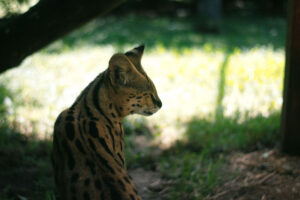
What camera accessories to pack when visiting a game reserve
Introduction
A game reserve offers some of the most exciting photography opportunities in the world. From capturing a lion resting in the shade to photographing a herd of elephants crossing a plain at sunset, the possibilities are endless. However, wildlife photography presents unique challenges. Animals can appear unexpectedly, lighting conditions often change quickly, and photographers may spend long hours far from power sources or shelter.
While choosing the right camera body and lens is important, the accessories you bring can have just as much impact on the success of your trip. Proper preparation helps ensure that you are ready for any photographic opportunity while keeping your equipment protected in rugged outdoor environments. Before heading into the field, it is worth considering which accessories deserve a place in your camera bag.
Extra Batteries and Reliable Power Solutions
One of the most important accessories for game reserve photography is a supply of extra batteries. Wildlife outings frequently begin before sunrise and can continue until after sunset. Long hours in the field, combined with heavy use of autofocus systems, image stabilization, and continuous shooting modes, can quickly drain battery life.
Carrying multiple fully charged batteries ensures that your camera remains operational throughout the day. In particularly remote reserves, access to power outlets may be limited, making preparation even more critical.
A portable power bank or battery charging system can also be valuable during multi-day excursions. Some modern camera models support USB charging, allowing photographers to recharge equipment while traveling between locations. Having backup power provides peace of mind and prevents missed opportunities when wildlife appears at the perfect moment.
Memory Cards and Secure Storage
Wildlife photography often involves taking hundreds or even thousands of photos in a single day. Fast action, burst shooting, and high-resolution image files can consume storage space surprisingly quickly.
Packing multiple high-capacity memory cards helps avoid the frustration of running out of space during an important sighting. Many photographers prefer carrying several cards rather than relying on a single large card, which reduces the risk of losing all images if a card becomes damaged.
A protective memory card case is another worthwhile accessory. Dust, moisture, and accidental impacts are common concerns in outdoor environments. Keeping cards organized and protected makes it easier to manage files while safeguarding valuable photographs.
Before departing for your trip, it may be helpful to visit a trusted camera store to verify card compatibility, purchase additional storage, and ensure that all accessories meet the demands of wildlife photography.
Lens Protection and Cleaning Equipment
Game reserves can expose equipment to a variety of environmental conditions. Dusty roads, sudden rain showers, and windy conditions are common in many wildlife destinations. Maintaining clean optics is essential for achieving sharp, professional-looking images.
A quality lens cleaning kit should always be part of your gear collection. Microfiber cloths, lens cleaning solution, and an air blower can remove dust and debris without damaging sensitive glass surfaces.
Lens hoods are another practical accessory that serves multiple purposes. They help minimize lens flare caused by bright sunlight while also offering a degree of physical protection from accidental bumps and scratches.
Rain covers provide additional protection when weather conditions become unpredictable. Even cameras that feature weather sealing benefit from an extra layer of defense when shooting in prolonged rain or dusty conditions.
Camera Supports for Greater Stability
Although many wildlife encounters happen while holding a camera by hand, support accessories can dramatically improve image quality. Long telephoto lenses are often heavy, making it challenging to maintain stability during extended shooting sessions.
Monopods are particularly popular for safari photography because they provide support without taking up excessive space. They help reduce fatigue while allowing photographers to react quickly when animals move.
Bean bags are another favorite accessory among game reserve photographers. Placed on the edge of a vehicle window or railing, they create a stable platform for heavy lenses. Unlike traditional tripods, bean bags are lightweight, adaptable, and easy to transport.
Tripods can also be useful in certain situations, especially for landscape photography, low-light scenes, or images taken around lodges and observation areas. The right support system depends on the type of experience and shooting style you anticipate.
Comfortable Carrying and Equipment Protection
A well-designed camera bag is often overlooked, yet it can significantly improve the overall photography experience. During game drives or walking safaris, photographers must keep equipment both accessible and protected.
Look for a bag with padded compartments, weather-resistant materials, and sufficient room for spare accessories. Quick access features can be especially valuable when wildlife appears unexpectedly.
Camera straps and harness systems are also worth considering. Extended periods carrying heavy camera gear can place strain on the neck and shoulders. Ergonomic carrying solutions distribute weight more evenly and improve comfort during long excursions.
Additionally, dry bags or waterproof pouches offer extra protection for electronic devices and accessories. These can be helpful when crossing rivers, encountering rain, or traveling through particularly humid environments.
Conclusion
Successful game reserve photography is about more than just bringing an impressive camera and lens. The right accessories can help you stay prepared, protect valuable equipment, and maximize your chances of capturing memorable wildlife images. Extra batteries, sufficient storage, cleaning supplies, stable support systems, and protective carrying solutions all play an important role in a well-planned photography adventure.
By carefully selecting and organizing your accessories before departure, you can focus on what matters most: enjoying the experience and capturing incredible moments in the wild. With the right preparation, every game drive becomes an opportunity to create photographs that tell unforgettable stories.
Article by Lila Warren