
What Does it Take to Maintain a Home in the Wilderness?
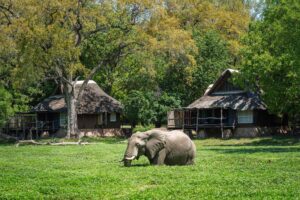
Bushcamp Company safari with its own fencing
Article by Lila Warren
Living in the wilderness is a dream that captures the imagination of countless people: fresh air, breathtaking landscapes, and a genuine connection to something bigger than city life. But owning and maintaining a home far from urban conveniences is a serious commitment that goes well beyond weekend camping trips. It demands careful planning, consistent effort, and a real willingness to tackle challenges that suburban homeowners simply never encounter. Knowing what you’re signing up for before making the leap can make all the difference between a dream fulfilled and a dream that overwhelms.
Building a Strong Foundation From the Start
Perhaps the single most important factor in maintaining a wilderness home is starting with a structure that was deliberately designed with its environment in mind. For those building in mountain communities, architects in Boulder understand how to create homes that can withstand brutal winters, shifting terrain, and the unique pressures of remote living. Working with professionals who carry genuine regional expertise means your home arrives better equipped to handle whatever the landscape throws at it. A well-designed structure dramatically reduces long-term maintenance headaches, so putting money into quality construction from day one pays dividends for decades.
Managing Utilities Off the Grid
Unlike a typical suburban property, wilderness homes often depend on self-sustained utility systems that need regular, hands-on attention. Water wells require periodic testing and pump maintenance to guarantee a clean, reliable supply across every season. Septic systems must be inspected and pumped on a consistent schedule, because neglecting them leads to costly and thoroughly unpleasant failures. Solar panels, generators, or propane setups each carry their own maintenance demands, from battery replacements and fuel storage management to seasonal calibration adjustments. These systems aren’t optional upkeep; they’re the lifelines that keep off-grid living functional and safe.
Weatherproofing and Seasonal Preparation
Nature doesn’t take it easy on wilderness homes, and seasonal maintenance ranks among the biggest ongoing responsibilities that owners face year after year. Before winter sets in, roofs should be thoroughly inspected for damage, gutters cleared of debris, and any exterior cracks or gaps sealed against moisture intrusion and heat loss. Come spring, it’s equally important to assess the damage that freeze-thaw cycles leave behind, including foundation cracks, warped siding, and compromised drainage systems. In fire-prone areas, establishing and maintaining a defensible space by clearing dry brush and vegetation around the structure can genuinely be the difference between safety and catastrophe. Staying ahead of these seasonal rhythms keeps small, manageable issues from snowballing into expensive, stressful repairs.
Wildlife and Vegetation Management
Sharing land with wildlife is one of the great joys of wilderness living, but it brings real maintenance challenges that can’t be ignored. Wildlife, rodents, and insects are all capable of causing serious structural damage when entry points aren’t properly sealed and monitored throughout the year. Food storage needs to be handled carefully to avoid drawing in larger animals that might damage outbuildings, gardens, or the home itself. Vegetation management matters just as much, since overgrown trees and encroaching shrubs can undermine foundations, clog drainage systems, and dramatically increase fire risk. Regular walkarounds and seasonal clearing give homeowners a fighting chance to stay ahead of these natural intrusions before they spiral into bigger problems.
Food Sources & Protection
For many wilderness homeowners, growing at least some of their own food becomes part of the lifestyle. Maintaining a productive garden, fruit trees, or a small chicken coop requires ongoing attention, particularly in remote areas where supplies may be limited. A chicken coop should be built with sturdy materials, buried fencing, and predator-proof latches to keep out any predators. Wildlife-proofing the home itself is equally important. Reinforced crawl spaces, screened vents, sealed roof gaps, and heavy-duty doors can help prevent animals from entering and causing costly damage. Imagine a remote homestead on the edge of an African savanna, where chickens scratch in a fenced run while the homeowner inspects reinforced fencing designed to deter curious baboons, warthogs, or other wildlife. In such environments, successful wilderness living depends on balancing food production with smart structural defenses that allow people and nature to coexist safely.
Staying Connected and Prepared for Emergencies
Remote living means emergency services can be a long drive away, which makes personal preparedness an essential piece of the home maintenance puzzle. Reliable communication tools, whether that’s a satellite phone, two-way radio, or a strong internet connection, ensure you can summon help or stay informed when severe weather strikes. Keeping a solid stockpile of fuel, food, water, and first aid supplies protects the household during stretches when roads turn impassable and resupply isn’t an option. Building relationships with neighbors, even those who live miles away, is surprisingly valuable since community networks prove their worth time and again during genuine emergencies. Knowing your evacuation routes cold and keeping vehicles properly maintained rounds out a preparedness plan that’s actually dependable.
Conclusion
Maintaining a home in the wilderness is one of the most rewarding lifestyles a person can choose, but it’s also one of the most demanding. It calls for a proactive mindset rather than a reactive one, resourcefulness over reliance on outside help, and a deep attunement to the natural rhythms surrounding your property. The rewards, including solitude, remarkable beauty, and a genuine sense of self-sufficiency, are absolutely worth the effort for those who are truly committed to this way of life. With thoughtful planning, the right professional support, and a steady maintenance routine, a wilderness home can become a place of lasting comfort and extraordinary everyday living.