
The Best Places to Take Drone Photography Safely
Article by Lila Warren
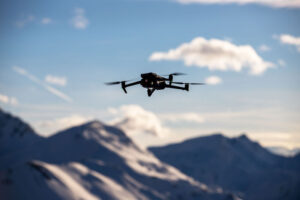
Wilderness areas can sometimes be the best place to safely fly a drone but there are considerations
Introduction
Drone photography has transformed the way photographers capture the world. With the ability to reach perspectives that were once only possible through helicopters or specialized aircraft, drones allow both hobbyists and professionals to create stunning images from above. From dramatic landscapes to vibrant cityscapes, drones offer endless creative possibilities.
However, great drone photography begins with choosing the right location and prioritizing safety. Flying in appropriate environments not only helps photographers capture better images but also reduces risks to people, property, and wildlife. Understanding where drones can be operated responsibly is an essential part of becoming a skilled and responsible drone pilot.
Scenic Parks and Open Natural Areas
One of the best places to practice drone photography safely is in large open natural areas where local regulations permit drone operations. Wide-open spaces provide plenty of room to maneuver while minimizing the risk of collisions with buildings, vehicles, or crowds.
Rolling hills, forests, lakes, and open fields can create spectacular aerial compositions. The changing light during sunrise and sunset often enhances the beauty of these landscapes, producing dramatic shadows and vibrant colors. Open environments also make it easier to maintain visual line of sight with the drone, an important safety consideration for pilots.
Before flying, it is essential to verify local regulations. Some parks may have restrictions designed to protect visitors or wildlife. Researching permitted flying locations ahead of time can help photographers avoid unnecessary complications while ensuring a safe and enjoyable experience.
One key reason why flying a drone in a wilderness area is often restricted is that poachers sometimes use drones to locate prime targets such as rhinos. Regular flying of drones can lead to the animal becoming accustomed to the noise and reduce its natural fear of the unfamiliar leading to an increased vulnerability to poaching.
Coastal Areas and Beaches
Coastlines are among the most popular drone photography destinations for good reason. The combination of water, sand, rocky formations, and changing tides provides endless opportunities for compelling aerial imagery. From above, even familiar beaches can reveal fascinating patterns and textures that are difficult to appreciate from the ground.
Many coastal locations offer large open spaces where drone operators can fly comfortably away from dense populations. Early morning flights can be particularly rewarding because beaches are often less crowded, making it easier to capture clean compositions while maintaining a safe flying environment.
Pilots should remain aware of wind conditions, which can be stronger near the ocean than expected. Monitoring weather forecasts, checking battery levels, and maintaining safe distances from people can help ensure a successful and responsible flight.
Countryside and Agricultural Landscapes
Rural environments offer excellent opportunities for drone photography while often presenting fewer obstacles than urban settings. Farmland, vineyards, orchards, and rolling countryside can create striking visual patterns that are especially impressive from an aerial viewpoint.
These locations frequently feature geometric shapes, colorful crops, winding roads, and seasonal changes that add character to photographs. During planting and harvest seasons, agricultural landscapes can become even more visually appealing.
Many drone enthusiasts use resources such as HayesX and other photography-focused platforms to discover scenic rural destinations and improve their aerial photography techniques. Regardless of location, it remains important to secure permission when flying over private property and to respect the privacy of landowners and nearby residents.
Mountain and Wilderness Locations
Mountainous regions provide some of the most breathtaking opportunities for drone photography. Elevated viewpoints, dramatic terrain, waterfalls, rivers, and rugged peaks can create truly memorable images that highlight the scale and beauty of nature.
Because these environments are often sparsely populated, they may offer safer conditions than crowded urban areas. Photographers can experiment with wide-angle compositions and sweeping aerial shots while maintaining a comfortable distance from people and structures.
Despite their beauty, mountain environments can present unique challenges. Weather conditions can change rapidly, and strong winds may affect drone stability. Pilots should evaluate the environment carefully, monitor forecasts, and avoid flying in conditions that could compromise safety or equipment performance.
Designated Drone Zones and Recreational Areas
Some communities have established designated drone parks or recreational flying areas specifically for drone enthusiasts. These locations can be ideal for both beginners and experienced pilots because they are designed with safe operations in mind.
Drone-friendly areas often provide open spaces, clear visibility, and fewer potential conflicts with pedestrians or vehicle traffic. They also give photographers the opportunity to practice flying skills, experiment with camera settings, and build confidence before attempting more complex shoots.
In addition to safety benefits, designated drone zones often attract other hobbyists. This can create opportunities to exchange tips, learn new techniques, and stay informed about local regulations and best practices. For newcomers to drone photography, these environments can provide a supportive introduction to the hobby.
Conclusion
Drone photography offers a unique way to capture stunning perspectives and showcase the beauty of landscapes from above. Choosing safe locations is a crucial step toward creating impressive images while protecting people, wildlife, and property. Open parks, coastlines, rural areas, mountain regions, and designated drone zones can all provide excellent opportunities for responsible aerial photography.
By researching local regulations, monitoring weather conditions, and maintaining safe flying practices, photographers can enjoy the creative freedom drones provide while reducing risks. The combination of preparation, awareness, and respect for the environment allows drone pilots to capture remarkable images and continue enjoying this exciting form of photography for years to come.