
How Eco-Friendly are artificial additions to your garden?
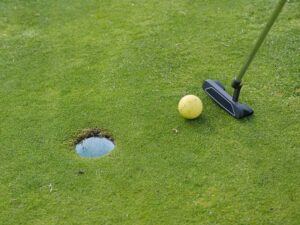
Golf Putting green as artificial garden additive
Author : Lila Warren
Introduction
As homeowners look for ways to enhance their outdoor spaces while reducing maintenance requirements, artificial garden additions have become increasingly popular. From synthetic turf and decorative landscaping features to artificial plants and hardscaping elements, these options offer convenience, durability, and aesthetic appeal. However, many environmentally conscious property owners wonder whether these additions truly align with sustainable landscaping practices.
The answer is not always straightforward. Artificial garden features can provide several environmental benefits, including water conservation and reduced chemical use. At the same time, they may raise concerns regarding manufacturing processes, recyclability, and long-term environmental impact. Understanding both the advantages and limitations of artificial landscaping additions can help homeowners make informed decisions that balance beauty, functionality, and sustainability.
Water Conservation Benefits
One of the strongest environmental arguments in favor of artificial landscaping additions is their ability to reduce water consumption. Traditional lawns often require significant amounts of irrigation, especially in areas that experience hot weather or limited rainfall. Maintaining lush green grass throughout the year can place considerable demands on local water resources.
Artificial landscaping solutions eliminate the need for frequent watering while preserving a consistently attractive appearance. This can be especially valuable in drought-prone regions where water conservation is a priority. Homeowners who replace natural turf with synthetic alternatives may significantly reduce outdoor water usage, resulting in both environmental and financial benefits.
Beyond helping individual households lower water consumption, widespread adoption of water-saving landscaping practices can ease pressure on community water supplies. As concerns about water scarcity continue to grow in many regions, reducing landscape irrigation can contribute to a more sustainable approach to residential property management.
Reduced Need for Chemicals and Maintenance Equipment
Traditional gardens and lawns often require fertilizers, herbicides, pesticides, and other treatments to maintain their appearance and health. While these products can be effective, excessive use may negatively affect soil quality, nearby waterways, and local wildlife.
Artificial additions generally require far fewer chemical treatments. Homeowners can spend less time applying products designed to control weeds, pests, or lawn diseases because synthetic materials are not susceptible to the same challenges faced by natural plant life.
In addition, maintaining traditional lawns frequently involves gas-powered equipment such as mowers, trimmers, and leaf blowers. These machines consume fuel and produce emissions that contribute to air pollution. Artificial landscaping features reduce or eliminate the need for much of this equipment, helping decrease a property’s overall environmental footprint while also lowering maintenance demands.
Durability and Long-Term Environmental Impact
Another important factor to consider is product longevity. High-quality artificial landscaping materials are often designed to withstand years of exposure to sunlight, rain, and foot traffic. Because they do not require frequent replacement, their durability can help reduce ongoing resource consumption over time.
For example, a homeowner who installs an artificial putting green may enjoy many years of use without reseeding, fertilizing, watering, or regularly replacing damaged grass areas. This durability can offset some environmental costs associated with installation and manufacturing.
However, longevity should be evaluated alongside material composition. Many artificial products are manufactured using synthetic materials derived from plastics. While these products often last a long time, they may eventually contribute to waste if recycling options are limited. As manufacturers continue developing more sustainable materials and recycling programs, the environmental profile of artificial landscaping products may improve even further.
Effects on Local Ecosystems
While artificial landscaping features offer several practical advantages, they cannot fully replicate the ecological functions of living plants. Natural gardens support pollinators, birds, beneficial insects, and other forms of wildlife that contribute to healthy ecosystems.
Replacing large portions of a landscape with synthetic materials may reduce habitat opportunities for certain species. In addition, natural vegetation helps absorb carbon dioxide, filter pollutants, and support soil biodiversity. Artificial additions generally provide fewer of these ecological benefits.
Fortunately, homeowners do not necessarily have to choose between artificial and natural landscaping. Many environmentally conscious garden designs combine synthetic features with native plants, flowering beds, trees, and shrubs. This balanced approach allows homeowners to conserve resources while still supporting local biodiversity and maintaining ecological value within their outdoor spaces.
Choosing Sustainable Artificial Landscaping Options
The environmental impact of artificial garden additions often depends on the products selected and how they are incorporated into the landscape. Not all artificial materials are created equally. Some manufacturers prioritize recyclable components, environmentally responsible production methods, and improved material efficiency.
When evaluating options, homeowners should consider product lifespan, maintenance requirements, recyclability, and manufacturer sustainability practices. Choosing high-quality materials can reduce replacement frequency and improve long-term environmental performance.
It is also wise to install artificial features only where they provide meaningful benefits. Areas with heavy foot traffic, difficult growing conditions, or significant water-use concerns may be ideal candidates. Meanwhile, other portions of the landscape can remain natural to preserve ecological benefits and visual diversity.
Thoughtful planning often delivers the best results. Instead of replacing an entire landscape with artificial materials, strategic integration can maximize benefits while minimizing potential environmental drawbacks.
Conclusion
Artificial additions to a garden can be surprisingly eco-friendly when used appropriately. Their ability to conserve water, reduce chemical use, lower maintenance requirements, and provide long-lasting performance makes them an appealing option for many homeowners seeking sustainable landscaping solutions.
At the same time, it is important to recognize that artificial materials do not fully replace the environmental benefits provided by living plants and natural ecosystems. The most sustainable approach often involves finding a balance between artificial and natural elements. By carefully selecting quality materials and incorporating them thoughtfully into a landscape design, homeowners can create attractive outdoor spaces that are both practical and environmentally responsible.