
How Dangerous are Bug Sprays to the Environment and How Can We Improve Their Sustainability
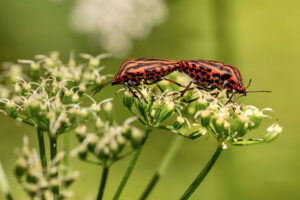
How dangerous are bug sprays to the environment
Author : Lila Warren
Introduction
Bug sprays have become a common solution for managing pests in homes, gardens, and outdoor spaces. They provide quick relief from insects that can spread disease, damage plants, or simply create discomfort. However, the convenience of these products often comes with environmental consequences that many people overlook. As awareness of ecological impact continues to grow, questions surrounding the safety and sustainability of bug sprays are becoming more important. Exploring how these products affect the environment and how they can be improved offers a path toward more responsible pest control practices.
The Environmental Impact of Traditional Bug Sprays
Traditional bug sprays are typically formulated with chemical compounds designed to eliminate or repel insects quickly. While effective, these chemicals can have unintended effects on the surrounding ecosystem. When sprayed outdoors, they may drift into soil, water, and nearby vegetation, potentially harming beneficial insects and wildlife.
Pollinators such as bees and butterflies are particularly vulnerable. These species play a critical role in maintaining biodiversity and supporting food production, yet they can be negatively affected by exposure to certain pesticides. In addition, chemical residues may persist in the environment, contributing to long-term contamination of soil and water sources.
Indoor use also presents challenges. While sprays are often marketed as safe for household use, repeated exposure to certain chemicals can reduce air quality and create health concerns for both humans and pets. These factors highlight the need to carefully consider how and where bug sprays are used.
Balancing Effectiveness with Responsibility
Despite their potential drawbacks, bug sprays remain useful tools when used responsibly. The key lies in balancing effectiveness with environmental awareness. Instead of relying on frequent, widespread application, many experts recommend targeted use. This approach focuses on treating specific problem areas rather than applying chemicals broadly.
Another important consideration is choosing products with lower toxicity levels. Many modern formulations are designed to break down more quickly in the environment, reducing their long-term impact. Labels and certifications can help consumers identify products that meet certain environmental standards.
Education also plays a role. Understanding how pests behave and where they thrive allows individuals to use bug sprays more strategically. By addressing root causes, such as standing water or food sources, it becomes possible to reduce reliance on chemical solutions altogether.
Exploring Natural and Eco-Friendly Alternatives
As sustainability becomes a priority, natural and eco-friendly pest control options are gaining popularity. These alternatives often use plant-based ingredients or biological methods to deter or manage pests without introducing harmful chemicals into the environment.
Essential oils, for example, are commonly used in natural bug repellents. Ingredients like citronella, eucalyptus, and lavender can help keep insects away while remaining safer for humans and pets when used correctly. Additionally, introducing natural predators, such as ladybugs for garden pest control, offers a biological approach that supports the ecosystem.
Another growing trend is the use of integrated pest management strategies. This method combines multiple techniques, including physical barriers, habitat modification, and minimal chemical use, to achieve effective results. By focusing on prevention and balance, eco-friendly solutions reduce the need for traditional sprays while maintaining control over pest populations.
The Role of Professional and Community-Based Solutions
In some cases, managing pests sustainably requires more than individual effort. Professional services are increasingly adapting to meet environmental standards by offering safer and more targeted treatments. These services often use advanced techniques to minimize chemical exposure while still addressing pest concerns effectively.
For example, solutions like many of Charlotte’s pest removal services reflect a shift toward approaches that prioritize both efficiency and environmental responsibility. By focusing on methods that reduce harm to non-target species and surrounding ecosystems, these services demonstrate how pest control can evolve to meet modern expectations.
Community awareness also contributes to better outcomes. When neighborhoods adopt consistent practices, such as proper waste management and water control, pest populations can be managed more effectively with less reliance on chemical sprays. This collective effort reinforces the importance of sustainability on a broader scale.
Innovations and the Future of Sustainable Pest Control
The future of pest control is likely to be shaped by innovation and continued research. Scientists and manufacturers are developing new products that aim to deliver effective results with minimal environmental impact. These include biodegradable formulas, precision application systems, and even technologies that target specific pests without affecting other organisms.
Smart technology is also beginning to influence pest management. Devices that monitor pest activity and environmental conditions can help identify issues early, allowing for more precise and limited interventions. This reduces unnecessary chemical use and supports a more sustainable approach overall.
Consumer demand will continue to drive these advancements. As more people prioritize environmental responsibility, the market for eco-friendly pest control solutions will expand. Over time, this shift has the potential to redefine industry standards and create more sustainable options for everyone.
Conclusion
Bug sprays play an important role in managing pests, but their environmental impact cannot be ignored. By understanding the risks associated with traditional products and exploring more sustainable alternatives, it becomes possible to strike a balance between effectiveness and responsibility. Through informed choices, innovative solutions, and a commitment to environmental awareness, pest control can evolve into a practice that protects both our living spaces and the ecosystems around us.